
News
What happened?
Empowering ESSA Students for Erasmus+ Success
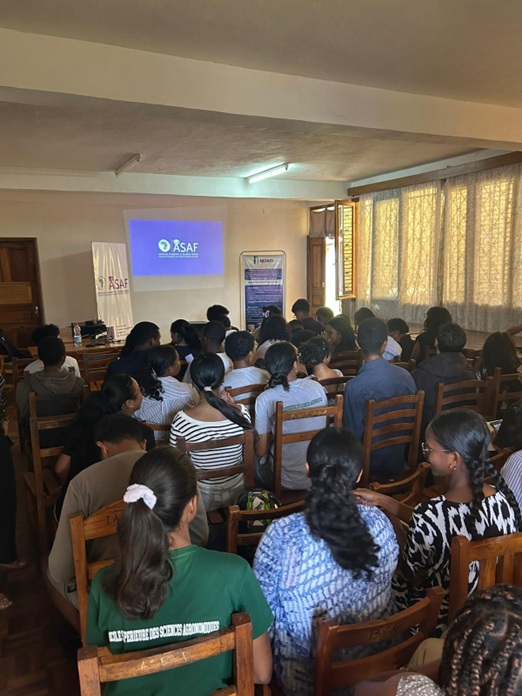
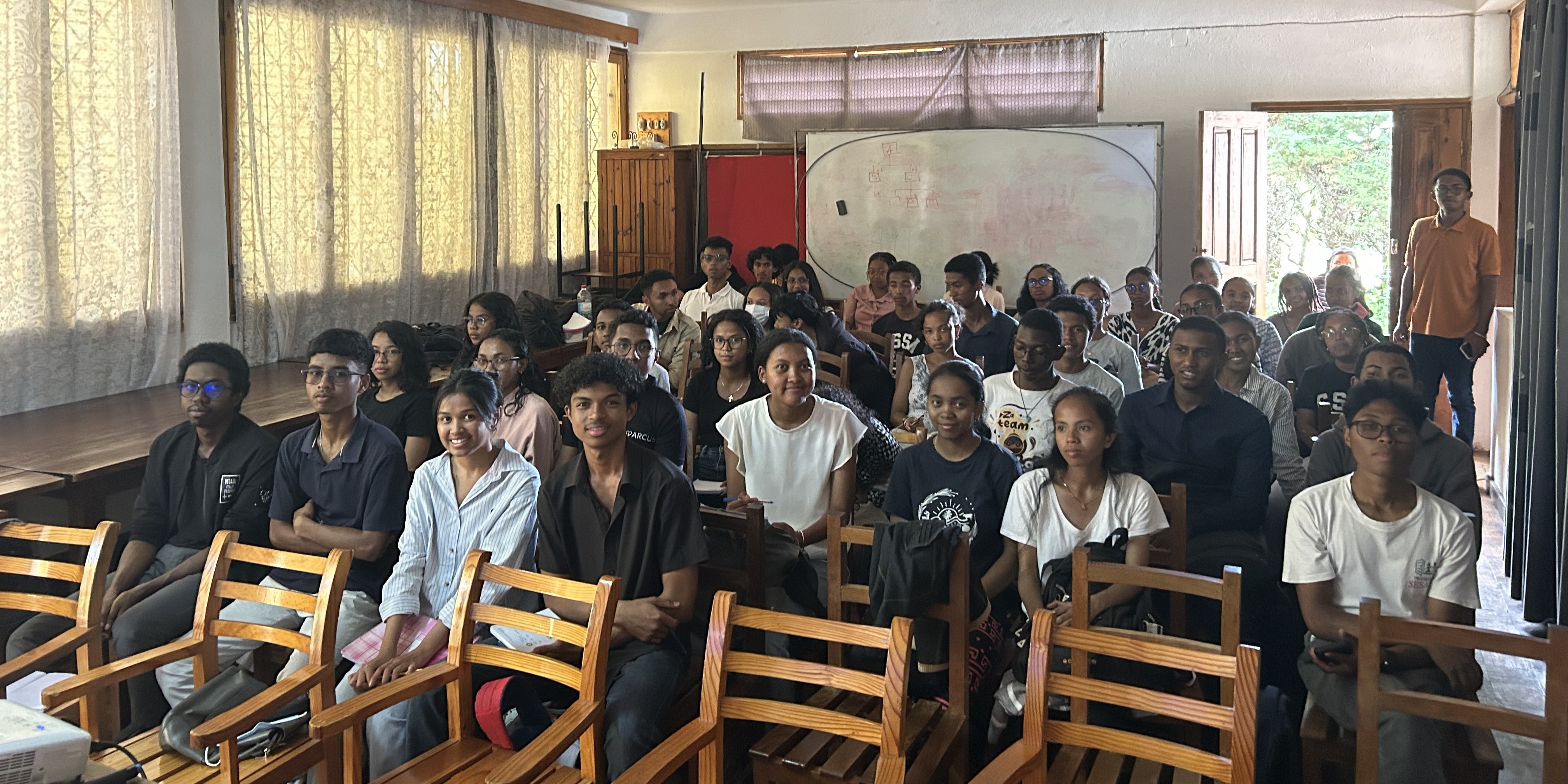
On 30 January 2026, 50 students from the Higher School of Agricultural Sciences (ESSA), University of Antananarivo, participated in a Strategic Mentoring Incubator. This session successfully bridged the gap between academic training and international standards by equipping participants with the tools and Competitiveness Roadmaps to support Erasmus+ success.
The Higher School of Agricultural Sciences (ESSA) at the University of Antananarivo, Madagascar, served as the hub for a pioneering mentoring session: ‘Empowering ESSA students: A Strategic Mentoring Incubator for Long-Term Erasmus+ Competitiveness’. With the support of ASAF and financed by European Union, this activity addressed a critical challenge — the gap between high academic potential and the specific ‘soft-skill’ requirements of international applications.
Moving away from traditional, reactive information sessions, this activity introduced an innovative Pre-Mobility Incubator. The mentoring shifted student focus from short-term deadlines to a multi-year ‘Long Game’ strategy.
Participants engaged in four targeted modules, covering everything from the psychological resilience needed for global competition, to hands-on documentation workshops for creating Europass CVs and story-driven motivation letters.
The highlight of the event was the introduction of the Competitiveness Roadmap. This personalized diagnostic tool allowed each of the 50 students to identify and map their specific skill gaps, such as language certifications and leadership experience, years before their application window opens.
The session also provided sector-specific translation training. Agricultural students learned how to frame their local Malagasy fieldwork within the global contexts of sustainable development and green innovation, making their profiles uniquely attractive to international evaluators.
Antananarivo, Madagascar , 30 January 2026
Rovaniaina Briand Randriatsaramiafara (briand.randriatsaramiafara@asaf.africa)
Edited by the Erasmus+ Support Service Team